What Is Adaptive Fitness and Why Is It Important for Kids with Special Needs?
At Fit First, we believe every child deserves the opportunity to move, play, and thrive—regardless of ability. That’s why we champion adaptive fitness: a personalized, inclusive approach to physical activity designed specifically for children with special needs.
What Is Adaptive Fitness?
Adaptive fitness refers to physical activity programs that are intentionally modified to meet the unique needs of individuals with disabilities. These programs adjust exercises, equipment, and instructional methods to ensure accessibility and effectiveness for each participant. For children with special needs, adaptive fitness offers a supportive environment where they can engage in physical activity that promotes their overall well-being.
According to a scoping review published in the Journal of Adapted Physical Activity, adaptive physical activity (APA) interventions have been shown to provide children and youth with disabilities more opportunities to be physically active, addressing the barriers they often face in traditional physical activity settings .Taylor & Francis Online+1PMC+1
Why Is Adaptive Fitness Important for Kids with Special Needs?
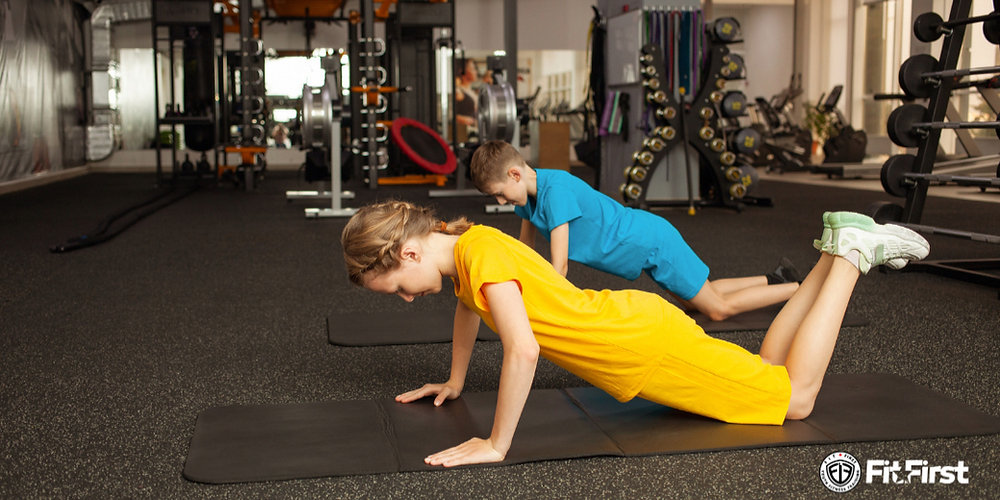
- Enhances Physical HealthRegular participation in adaptive fitness programs can lead to improvements in muscle strength, cardiovascular endurance, flexibility, and overall physical health. A study in Scientific Reports demonstrated that adolescents with intellectual disabilities who engaged in an adapted physical activity intervention showed significant improvements in health-related physical fitness .
- Supports Mental and Emotional Well-beingEngaging in physical activity has been linked to better mental health outcomes, including reduced anxiety and depression. Adaptive fitness programs provide a structured environment where children can experience success, boosting their self-esteem and confidence. Research in the International Journal of Social Impact highlights the transformative impact of adaptive and inclusive physical education on students with special needs, emphasizing increased self-esteem and confidence .
- Promotes Social InclusionAdaptive fitness programs often involve group activities that encourage social interaction, teamwork, and communication. These interactions can help children develop social skills and foster a sense of belonging. The Journal of Pediatric Orthopaedics notes that participation in adaptive sports enables children with disabilities to engage in athletic activities, contributing to their physical and mental health benefits .
How Fit First Implements Adaptive Fitness
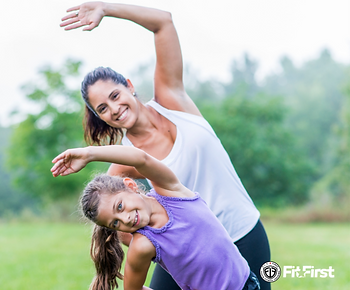
At Fit First, our adaptive fitness programs are tailored to meet the individual needs of each child. Our certified instructors work closely with families to develop personalized fitness plans that focus on the child’s strengths and goals. We utilize specialized equipment and techniques to ensure that every child can participate safely and effectively.
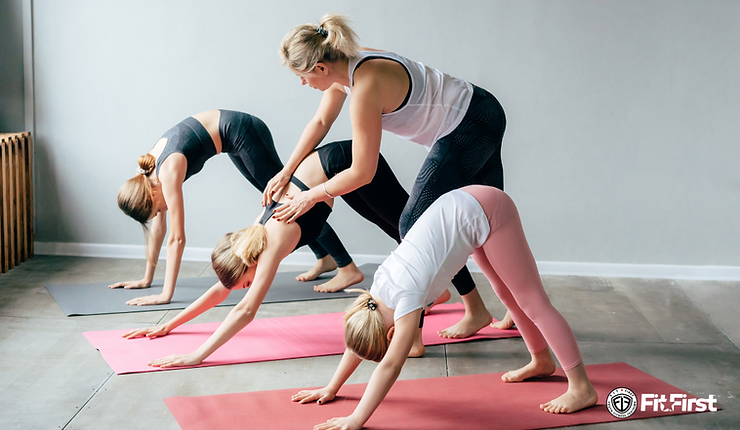
Our programs include a variety of activities such as adaptive yoga, strength training, and aerobic exercises, all designed to be engaging and fun. By fostering a supportive and inclusive environment, we aim to help children with special needs develop a lifelong love for physical activity.
At Fit First, we’re committed to empowering every child through adaptive fitness. If you’re interested in learning more about our programs or how we can support your child’s physical activity journey, please reach out to us.
Sources
- A Scoping Review of Adapted Physical Activity Interventions for Children and Youth with Disabilities. Journal of Adapted Physical Activity. Link
- Effectiveness of an Adapted Physical Activity Intervention on Health-Related Physical Fitness in Adolescents with Intellectual Disabilities. Scientific Reports. Link
- Adaptive and Inclusive Physical Education for Students with Special Needs. International Journal of Social Impact. Link
- Adaptive Sport Participation in the Pediatric Population. Journal of Pediatric Orthopaedics. Link
- ChatGPT by OpenAI. LinkKU Life Span Institute+15PMC+15Taylor & Francis Online+15NatureInternational Journal of Social ImpactJPOSNA+1ScienceDirect+1The Guardian+3ResearchGate+3PMC+3