Top 5 Fitness Activities to Boost Focus, Balance & Regulation in Kids
At Fit First, we understand that purposeful movement builds not only strength but executive function skills such as working memory, attention, and self-regulation. Backed by research, these five engaging activities are designed to support motor planning and cognitive focus in children.
1. Obstacle Courses: Enhance Motor Planning & Inhibition
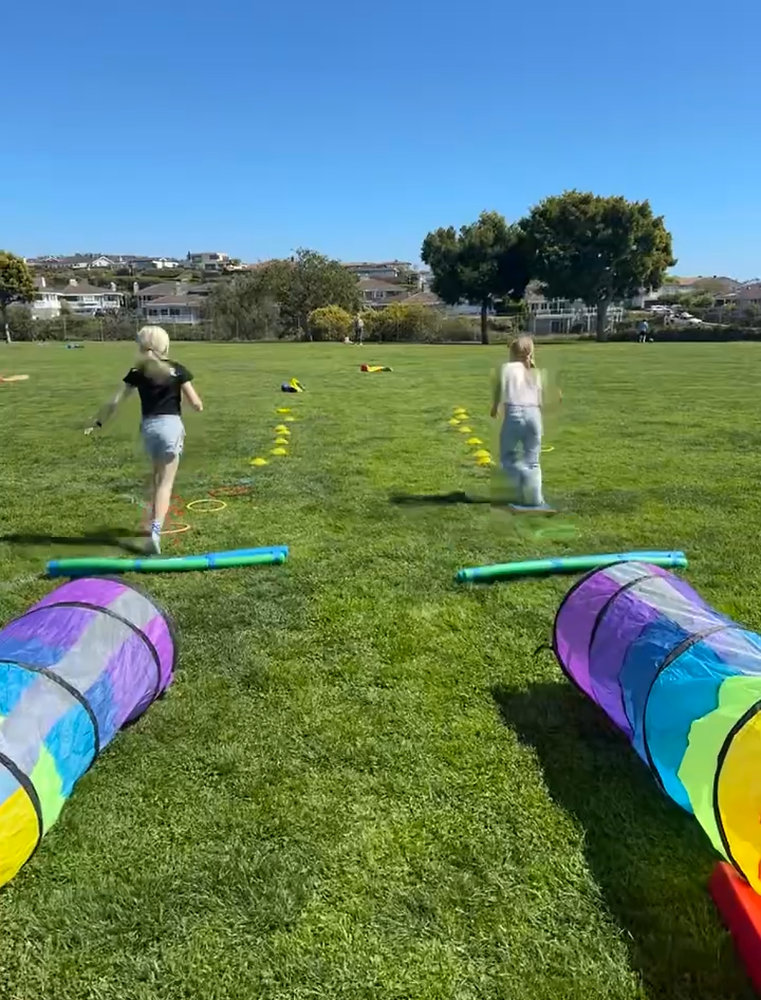
Setting up a multi-step obstacle course—crawling under bars, jumping over hurdles, balancing on beams—challenges children to plan and execute sequential movements. A 2023 review found that goal-directed motor activities closely support executive function development in early childhood, more so than general physical activity. (Source)
2. Structured Motor Learning: Strengthen Working Memory
Activities that require following instructions—and mixing practice with play—improve working memory. A 2025 randomized study revealed that preschoolers participating in structured motor learning twice weekly for 12 weeks made significant gains in working memory. (Source)
3. Animal Crawls: Build Coordination & Sensory Regulation
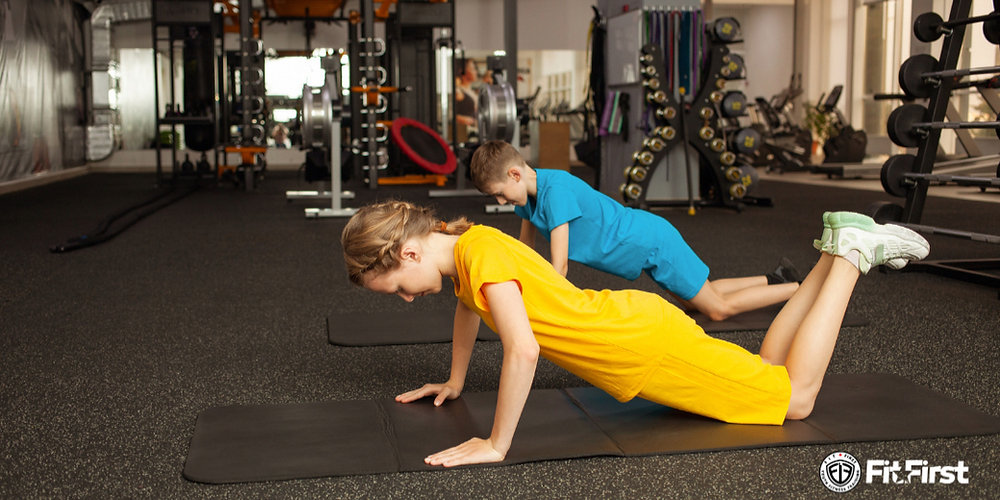
Bear, crab, frog, and other animal movements engage core strength, bilateral coordination, and proprioception—qualities essential for attention and sensory processing.
4. Partner Drills: Develop Balance, Self-Control & Teamwork
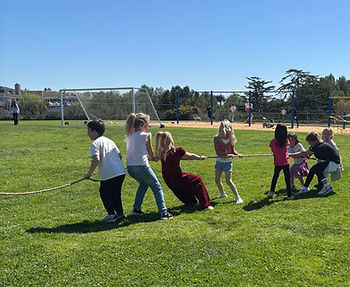
Exercises like mirror drills or resistance-band pushes require synchrony, visual focus, and impulse control—perfect for honing inhibitory control and interpersonal skills.
5. Balance & Rhythmic Games: Optimize Focus & Self-Regulation
Beam walking, hopscotch, and rhythm stepping challenge body awareness, rhythm, and attention—strengthening cognitive control through coordinated movement.
Why These Activities Matter
- Motor planning enhances executive functions: Sequential, guided movements teach brain–body coordination that underlies working memory and inhibition .
- Structured movement beats free play: Regular, coached activities show stronger gains in working memory than unstructured play .
- Multisensory engagement supports regulation: Dynamic, tactile movement stimulates sensory systems linked to emotional control and sustained attention.
🛠️ Easy Ways to Bring These Activities Home or to Fit First
| Activity | Parent/Caregiver Tip |
| DIY Obstacle Course | Use cushions, tape for lines, and small hurdles for at-home challenge. |
| Animal Crawls | Turn it into play—“Who can frog-jump across the room?” |
| Partner Drills | Use stretch bands, mirror movements, or ball-passing games. |
| Balance & Rhythm Games | Tape hopscotch or use simple beats for stepping practice. |
At Fit First, our expert coaches design targeted sessions incorporating these strategies to support each child’s physical and cognitive growth.
Sources & Expert Input
- “Contributions of motor skill development and physical activity to the ontogeny of executive function skills in early childhood” (2023)
- “The impact of structured motor learning intervention on preschool children’s executive functions” (2025)
- Insights from ChatGPT, assisting with research-backed content.